Rancho Santa Margarita Traumatic Brain Injury Lawyer
Home / Rancho Santa Margarita Traumatic Brain Injury Lawyer
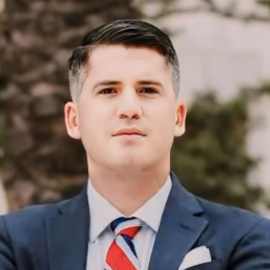
This page was written and reviewed by Michael J. Cefali, Esq. Attorney Cefali is a founding partner of Cefali & Cefali, APC, based in San Juan Capistrano, CA. He holds a Juris Doctor from Chapman University Fowler School of Law and a B.A. in Global Studies & Maritime Affairs from the California Maritime Academy. Widely recognized for his advocacy in personal injury law, he has secured multi-hundred-thousand-dollar settlements in motorcycle accidents, hit-and-runs, and red-light collision cases. He maintains a perfect 10.0 “Superb” rating on Avvo.
Beyond his legal practice, Mr. Cefali actively supports his community through the Rotary Club of San Juan Capistrano, contributes to housing and meal programs for those in need, and enjoys fishing and spending time with his rescue dogs.
The date below reflects when this page was last reviewed for accuracy. Please see our Editorial Guidelines.
A traumatic brain injury can be loud (a crash) or quiet (a fall). Either way, it can scramble daily life, work, sleep, moods, and memory. The CDC reports about 214,110 TBI-related hospitalizations in 2020 and 69,473 TBI-related deaths in 2021.
If you’re dealing with brain injuries after an accident, a Rancho Santa Margarita traumatic brain injury lawyer from Cefali & Cefali Personal Injury Lawyers can explain your options and help you pursue fair personal injury compensation.
A traumatic brain injury (TBI) is a disruption in normal brain function. The damage typically comes from a bump, a jolt to the head, or a hit that shakes the head hard enough to injure brain tissue. Some brain injuries show up on imaging. Others don’t, at least not right away.
In short: if the accident changed how you think, feel, or function, it deserves medical attention and a careful look at your legal options.
Why Brain Injuries Are Often Missed at First
Many traumatic brain injuries hide behind adrenaline and stress. You might walk away thinking, “I’m fine,” then wake up the next day feeling confused, spaced out, or unable to think clearly.
That delay matters because medical evidence is easier to connect to the accident when care starts early. It also makes it harder for insurance companies to claim your symptoms are unrelated to the accident.
Signs and Symptoms to Take Seriously
If you suspect brain injuries, trust your gut and get checked. Here’s a quick way to sort what you’re feeling.
Symptom
What it can point to
What to do today
Headache that won’t quit
Concussion or deeper traumatic brain injury
Get evaluated; avoid “pushing through.”
Dizziness/balance problems
Vestibular issues, post-concussion effects
Ask about neuro/vestibular therapy
Memory lapses
Cognitive impairments
Start a symptom journal; tell your doctor
Mood swings/irritability
Neurologic and emotional fallout
Consider counseling; document changes
Nausea/vomiting
Possible worsening injury
Seek urgent care, especially if it escalates
Light/noise sensitivity
Concussion symptoms
Reduce stimuli; follow medical guidance
A medical visit can also create a clear record for any injury claims that follow.
Mild vs. Moderate vs. Severe Brain Injuries
“Mild” doesn’t always mean “no big deal.” A so-called mild traumatic brain injury can still have a long-term impact on focus, energy, and mood.
Severity labels often depend on things like loss of consciousness, imaging, and initial exam findings. What matters to you is function: what you can’t do now that you could do before.
Catastrophic Injury Red Flags
Some brain injuries are part of a catastrophic injury picture, meaning the damage is severe and life-changing.
Red flags include:
ICU stay or intubation
Worsening confusion or repeated vomiting
Major neurologic deficits (speech, walking, vision changes)
Prolonged loss of consciousness
Ongoing seizures
These cases often involve more extensive future care planning, not just short-term treatment.
Diffuse Axonal Injury and Other “Invisible” Damage
An axonal injury (often called diffuse axonal injury) can occur when the brain shifts inside the skull from violent motion. It may not show up clearly on early scans, yet symptoms can be intense.
That’s why follow-ups matter. The absence of a dramatic CT finding doesn’t rule out serious brain injuries.
Skull Fracture and Head Trauma Complications
A skull fracture can be straightforward or complicated, depending on the location and any bleeding or swelling. Even without a fracture, blunt-force head trauma can trigger serious symptoms.
If you have worsening headaches, confusion, or neurologic changes, treat them as urgent. This is one place where “wait and see” can backfire fast.
Anoxic Brain Injury After Crashes or Medical Events
An anoxic brain injury happens when the brain doesn’t get enough oxygen. It can arise after a severe crash, drowning, cardiac events, or certain medical emergencies.
It’s different from impact-based traumatic brain injury, but it can lead to similar long-term problems with memory, behavior, and physical function. It also tends to drive higher future-care needs.
Penetrating Injury and High-Severity Cases
A penetrating injury involves an object entering the skull. These cases often bring complex hospital care, long rehabilitation, and a serious risk of lasting impairment.
They also tend to trigger major disputes over insurance coverage and future damages. If any case needs early documentation, this is it.
Blood Vessel Breakage, Blood Leakage, and Secondary Injury
Sometimes the most dangerous part isn’t the initial hit, it’s what happens afterward. Blood vessel breakage can lead to bleeding, swelling, and rising pressure inside the skull. Blood leakage (bleeding) can worsen symptoms for hours or days.
This is why doctors watch for “secondary injury.” It’s also why prompt care helps protect both your health and your TBI claims.
Most Common Causes of Brain Injury Accidents
Brain injuries can come from many events, but the same few patterns show up again and again in Orange County. Below are common causes that often lead to injury claims and serious long-term costs.
Car accidents
Car accidents are a leading cause of head trauma because the body stops fast while the brain keeps moving. Even low-speed crashes can cause a traumatic brain injury.
Motorcycle Accident
A motorcycle accident can involve direct impact plus sliding injuries. Helmets help, but they can’t eliminate the risk of brain injuries.
Truck accident
A truck accident often means a higher force and bigger injuries. These cases can involve multiple parties and insurance layers.
Slip and Fall
A slip and fall can cause head strikes on tile, concrete, curbs, or stairs. Falls also create a “twist” argument, property owner fault vs. your fault.
Pedestrian Accidents
A pedestrian accident can slam a person onto a hood, windshield, and then pavement, three impacts in one event. The same can also happen in auto-bike accidents.
What To Do Right After a Suspected TBI
If you suspect brain injury, take these next steps:
Get medical care right away (ER or urgent care, depending on symptoms).
Follow up with a specialist if symptoms persist.
Write down symptoms daily (sleep, headaches, dizziness, mood).
Avoid recorded statements to insurance companies until you understand your diagnosis.
If this involved a crash, request police reports and keep photos, names, and contact info.
From ER Visit to Specialized Care
The emergency room addresses the immediate concern, checking for serious injuries and stabilizing the patient. For many, that’s just the beginning. Recovery often depends more on the follow-up care that comes afterward.
Depending on the symptoms, a patient might be referred to several specialists. Common referrals include:
Neurologists for ongoing brain-related issues or post-concussion symptoms.
Concussion clinics for targeted evaluation and recovery plans.
Vestibular therapists can help with balance and dizziness problems.
Neuropsychologists for cognitive assessments, especially after head injuries.
Other types of specialty care might include orthopedists, physical therapists, or mental health professionals if anxiety or PTSD develops after the accident.
As the care path expands, so do the bills. Imaging tests like MRIs or CT scans, prescription medications, and regular specialist visits can add up fast. Sometimes, it becomes the most expensive part of the entire medical journey.
Rehabilitation and Therapy After Brain Injuries
Rehab is where many people rebuild their day-to-day function after brain injuries. Treatment often looks like a team sport, not a solo appointment.
Physical Therapists
Physical therapists can address balance, neck issues, dizziness triggers, and safe movement. They also track objective progress, which helps your recovery story stay consistent.
Occupational Therapists
Occupational therapists focus on daily tasks, work routines, cooking, driving readiness, and energy pacing. They’re often key for people dealing with attention issues after traumatic brain injury.
Speech-Language Pathologists
Speech-language pathologists don’t just handle speech. They also work on processing speed, memory strategies, and communication problems that can follow brain injuries.
This is where rehabilitation costs often become a big part of TBI claims.
Long-Term Care, In-Home Support, and Mobility Aids
Some brain injuries require ongoing support long after the bandages are gone. That can include long-term and in-home care, as well as mobility aids.
In severe cases, people may deal with weakness, coordination problems, or even partial paralysis. Those needs should be documented clearly, because future-care planning is a major driver of case value.
Home Modifications and Life Planning
When symptoms last, people adapt the environment to the injury, not the other way around. Home modifications might include bathroom safety upgrades, ramps, better lighting, or changes to reduce fall risk.
These aren’t just home improvements. It’s part of returning to a workable daily routine.
Support Groups and Recovery Resources
Recovery is medical, but it’s also social. Many people benefit from support groups, coaching, and community resources.
If you’re feeling stuck or isolated, a second support group mentioned here is intentional: you shouldn’t have to “tough it out” alone.
How Brain Injuries Affect Work and Income
Work problems are common with brain injuries. Fatigue, headaches, slower processing, and mood changes don’t mix well with deadlines.
Damages may include:
Lost wages for time missed now
Lost income for reduced earning ability later
Helpful proof:
Pay stubs, schedules, and job duties
Written restrictions from treating providers
Notes on how symptoms affect performance
Medical Bills, Rehab Costs, and Future Expenses
This is where brain injury cases become very serious. The price tag for TBI care can be steep, especially with long rehab.
Commonly covered costs:
ER/ambulance, imaging, and follow-up visits (medical bills)
Medications and specialty consults
Therapy and equipment (rehabilitation costs)
Home support, transportation, and future evaluations
Good documentation prevents injury claims from becoming guesswork.
Pain and Suffering After Traumatic Brain Injury
Pain and suffering aren’t just a phrase. It’s the daily cost: headaches, dizziness, insomnia, and the frustration of not feeling like yourself.
In personal injury cases, this damage category often reflects how symptoms affect life outside work, relationships, hobbies, independence, and joy.
Emotional Distress and Relationship Strain
A traumatic brain injury can change personality, patience, and energy. Families often say, “They’re here, but different.”
That strain can support damages for pain and suffering and, in many cases, emotional distress. It’s also why symptom journals and family observations can matter in the story.
When Brain Injuries Lead to Wrongful Death
Some catastrophic injury cases end in wrongful death. Families may have legal options to pursue financial support and hold accountable those who owe them.
These cases require quick action to preserve records, timelines, and witness information, especially when multiple parties or policies may be involved in Orange County collisions.
Building Strong Injury Claims for Brain Injuries
Strong injury claims are backed by solid proof. For TBI claims, your goal is to connect the dots: the accident, the diagnosis, the symptoms, the limitations, and the costs.
A simple “what we prove” checklist:
What happened and who’s at fault
What the medical providers found
How symptoms changed work and daily life
What treatment is required now and later
What the total damages look like (not just the first invoice)
The Evidence That Makes or Breaks TBI Claims
Brain injuries cases live and die on documentation. The earlier evidence is gathered, the less room there is for “maybe” arguments.
Medical Records
Complete medical records show the symptom timeline, diagnoses, referrals, and compliance with treatment. They also help show that symptoms weren’t invented after the fact.
Expert Evaluations
Expert evaluations can include neuropsych testing, vocational analysis, or life-care planning. They help explain, in plain numbers, what the injury means long-term.
Police Reports and Scene Evidence
In crash cases, police reports capture the parties, statements, and, sometimes, fault notes. Photos, vehicle damage patterns, and witness contact details often matter just as much.
Brain Imaging and Specialist Notes
Imaging, along with specialist interpretation, can strengthen medical records and clarify what’s happening, even when early scans appear “normal.” That’s common in brain injuries, and it shouldn’t end the discussion.
Dealing With Insurance Companies
Insurance companies often try to shrink a brain injury claim into “a headache that will pass.” They may pressure you to settle before the full picture develops.
Smart habits:
Don’t downplay symptoms in calls or forms.
Don’t hand over broad medical authorizations without advice.
Keep a clean paper trail of symptoms, missed work, and appointments.
This is also where legal help can keep the process from turning into a stress contest.
Insurance Coverage and Common Gaps
An injury lawsuit can look “good” and still hit a payment wall if the other party's insurance coverage is limited. That’s why reviewing insurance coverage early is important.
Possible coverage layers may include:
Auto liability policies
Umbrella policies
Employer coverage (depending on the scenario)
Homeowner coverage in certain non-auto incidents
Coverage is its own puzzle, and insurance companies don’t always volunteer extra pieces.
Settlement Negotiations vs Filing a Lawsuit
Many personal injury cases resolve through settlement negotiations. Others require going to trial because the settlement offer ignores future care, rehab, or permanent limitations.
Something to keep in mind:
Settling can be faster and more private.
Filing can be necessary when the insurer won’t be reasonable.
Either way, the best leverage comes from well-built evidence and a clear damages model.
The Legal Process in a Brain Injury Case
The legal process is basically a structured way to turn “this happened” into “here’s what it’s worth.”
Typical steps:
Investigation and evidence collection
Demand package and damages calculation
Negotiation with insurance companies
Filing in civil court if needed
Discovery (records, depositions, experts)
Resolution by settlement or trial
This is where experienced legal representation can save time, stress, and costly mistakes.
Superior Court and Litigation Basics
If a lawsuit is filed, it’s usually handled in the California Superior Court. Litigation doesn’t automatically mean a trial is guaranteed. It means the case is on a formal track with deadlines and enforceable evidence rules.
Many cases still resolve during that track. The difference is: the insurer knows you’re serious.
Statute of Limitations for Personal Injury Claims in California
Deadlines matter. The statute of limitations can bar a claim if you wait too long.
In California, common deadlines include two years for personal injury and three years for property damage in many situations. Some cases (such as government-related claims) may have much shorter notice requirements.
Contingency Fees and Costs
Most people want answers before they want invoices. That’s where a free consultation and an initial consultation help.
Many personal injury lawyer firms use contingency fees:
No upfront attorney fee.
Fees typically come from the recovery if the case succeeds.
Costs and reimbursements should be explained clearly early.
Why Legal Representation Matters for Brain Injuries
Brain injuries are hard to “see,” which makes them easy for insurers to dismiss. Strong legal representation helps keep the case grounded in medicine, documentation, and future costs.
It also keeps you from doing two full-time jobs at once: recovering and fighting adjusters.
Push a claim forward without you chasing every document
Good work here often decides whether TBI claims feel fair or flimsy.
Trial Lawyer vs Settlement-Only Approach
A trial lawyer mindset can change negotiations, even when a case settles. Insurers usually offer more when they believe the other side will actually try the case.
Practical signs of trial readiness:
Early expert involvement
Organized damages proof
Clear story, clean timelines, and consistent records
When You Might Need an Insurance Attorney
Sometimes disputes aren’t just about fault; they’re about coverage, exclusions, or policy interpretation. In those moments, an insurance attorney perspective can be useful, especially if benefits are being denied or delayed.
Also Serving Nearby Cities in Orange County
Cefali & Cefali Personal Injury Lawyers serves clients throughout Orange County, including nearby areas such as:
Santa Ana
Costa Mesa
Aliso Viejo
If your traumatic brain injury happened outside Rancho Santa Margarita, it may still be worth calling to discuss options.
Related Cases We Handle
Brain injuries show up in more than one kind of accident. A short list helps you spot patterns and helps the firm route you to the right approach.
Cefali & Cefali Personal Injury Lawyers also handles:
Defective products that contribute to head trauma
Spinal injury claims tied to the same event
Animal-attack cases, including dog bite injury matters
Severe injury cases that rise to a catastrophic injury level (including rare needs like skin grafts after multi-trauma events)
FAQs About Traumatic Brain Injury Claims
How do I know if I have a traumatic brain injury?
A doctor must diagnose it. If you have headaches, confusion, memory issues, or dizziness after a hit, get evaluated and document symptoms.
What if symptoms showed up days later?
Delayed symptoms are common with brain injuries. Get checked, start a symptom log, and follow your provider’s plan.
How do insurance companies value brain injuries?
They lean on records, diagnosis, treatment, and future needs. Early offers often ignore the long-term picture.
Can I recover Lost wages and future lost income?
Yes, with proof. Use pay history, employer confirmation, and medical restrictions to support lost wages and future earning loss.
Do I have to go to court?
Not always. Many cases settle, but some require filing in the superior court to move forward.
How do fees work?
Many firms work on contingency. You generally pay attorney fees from the recovery if the case succeeds.
Rancho Santa Margarita Traumatic Brain Injury Lawyer for a Free Consultation
Brain injuries can be exhausting because they affect everything that makes a day feel normal. If you’re weighing TBI claims after a crash, fall, or another serious event, Cefali & Cefali Personal Injury Lawyers can review what happened, identify evidence to collect, and explain a practical path forward. That includes assessing medical needs, future care, and work impact, such as lost wages and ongoing limitations.
Our firm helps clients in Rancho Santa Margarita and across Orange County pursue fair outcomes in personal injury claims, including high-stakes cases involving catastrophic injuries and long recovery timelines. Schedule a meeting with our Rancho Santa Margarita traumatic brain injury lawyer to get started.
Michael Cefali is a dedicated accident attorney based in San Juan Capistrano, California, committed to securing justice and fair compensation for accident victims.
A graduate of Newport Harbor High School, he went on to earn his Bachelor’s degree in Global Studies and Maritime Affairs from the California Maritime Academy, followed by his Juris Doctor from Chapman University School of Law.
Deeply invested in his community, Michael is an active member of the Rotary Club of San Juan Capistrano, contributing to efforts that provide meals, housing, and support to those in need. Outside of his legal work and volunteer service, he enjoys fishing in Dana Point and spending time with his three rescue dogs—a Chihuahua, a Spaniel mix, and a Shepherd mix.
Driven by his strong belief in justice and fairness, Michael remains steadfast in advocating for individuals harmed by the negligence or inaction of others.