Home / Rancho Santa Margarita Texting And Driving Lawyer
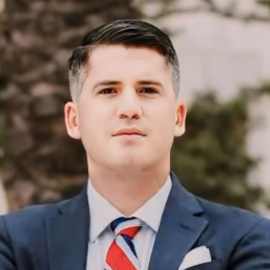
This page was written and reviewed by Michael J. Cefali, Esq. Attorney Cefali is a founding partner of Cefali & Cefali, APC, based in San Juan Capistrano, CA. He holds a Juris Doctor from Chapman University Fowler School of Law and a B.A. in Global Studies & Maritime Affairs from the California Maritime Academy. Widely recognized for his advocacy in personal injury law, he has secured multi-hundred-thousand-dollar settlements in motorcycle accidents, hit-and-runs, and red-light collision cases. He maintains a perfect 10.0 “Superb” rating on Avvo.
Beyond his legal practice, Mr. Cefali actively supports his community through the Rotary Club of San Juan Capistrano, contributes to housing and meal programs for those in need, and enjoys fishing and spending time with his rescue dogs.
The date below reflects when this page was last reviewed for accuracy. Please see our Editorial Guidelines.
Texting while driving is like trying to thread a needle on a roller coaster. It only takes a second to go wrong. The National Highway Traffic Safety Administration reports that in 2023, 3,275 people were killed in crashes involving distracted drivers. That risk shows up on everyday roads in Rancho Santa Margarita and across Orange County.
If you were hurt in a car accident caused by distracted driving, Cefali & Cefali Personal Injury Lawyers can help you understand your options. Our Rancho Santa Margarita texting and driving lawyer gathers proof and pursues compensation for medical expenses, lost wages, and more.
What Counts as Texting and Driving in California?
Texting and driving usually means a driver is reading, typing, or sending text messages while operating a vehicle. It can also include using a phone for apps, scrolling, or handling a GPS device in-hand.
The key point for injury cases: it’s not just “text messaging.” It’s the distraction and the unsafe driving that follows. In a civil claim, that behavior can support a finding of negligence.
Why Distracted Driving Crashes Are Different From Other Car Accident Cases
A normal crash might be about speed, a lane change, or who had the green light. A texting crash is often about what the driver was doing in the seconds before impact.
That makes the proof more technical. You may need phone logs, timestamps, and other data. It also gives the insurance company room to play games and argue, “You can’t prove they were on the phone.”
And yes, texting behind the wheel can look like reckless driving when you see the pattern: drift, late braking, and bad decisions.
The California Laws That Matter
Texting cases often turn on basic rules from the California Vehicle Code. These laws don’t decide the case on their own. But they can help frame what safe driving requires.
California Vehicle Code Section 23123.5
Vehicle Code § 23123.5 prohibits driving while holding and operating a handheld wireless phone or electronic communications device, unless it’s used in a voice-operated and hands-free way. This section is the workhorse for handheld phone use in many texting-and-driving situations.
California Vehicle Code § 23123
Vehicle Code § 23123 restricts using a wireless telephone while driving unless it’s configured for hands-free listening and talking and used that way. In plain terms: hands-free is the baseline rule.
Court of Appeals interpretation
In People v. Porter (2025), the California Court of Appeals held that holding a phone while viewing a mapping application can violate § 23123.5. The takeaway for civil cases is simple: “I was only looking at my map” may not be the safe excuse someone thinks it is.
Duty of Care, Breach of Duty, and Negligence Per Se
Every driver has a duty of care to use reasonable care on the road. Texting while driving can be a breach of duty because it takes eyes and attention off the roadway.
In some situations, violating a safety statute can support a negligence per se theory. California Evidence Code § 669 creates a presumption of failure to use due care when a person violates a statute, and the violation causes the type of harm the statute was meant to prevent.
You still need to prove the crash caused your injuries. But a statute violation can make the liability story much cleaner.
Common Texting-and-Driving Crash Types
Texting crashes don’t look “special” at first glance. They look like everyday wrecks. The difference is often hidden in the seconds before impact.
Rear-End Collisions
Rear-end collisions are common because drivers look down, then look up too late. The braking is delayed or missing. These often cause neck and back injuries and quick medical bills.
Head-On Collisions
Head-on collisions can happen when a driver drifts across the line. Even a short glance at a phone can move a vehicle a surprising distance. These impacts can be severe and life-changing.
T-Bone Accidents
T-Bone accidents often happen at intersections when the driver misses a red light, misjudges timing, or turns without checking. The injuries can be serious because the side doors don’t offer much protection. This crash type also creates disputes about signal phases.
Sideswipe Accidents
Sideswipe accidents often come from lane drift or careless merging. Texting makes mirror checks sloppy. A sideswipe can still lead to a spinout or multi-car pileup.
Rollover Accidents
Rollover accidents can happen when a distracted driver overcorrects, hits a curb, or clips another vehicle. Rollovers may cause head injuries and internal trauma even with seatbelts.
What to Do After a Texting-and-Driving Car Accident
Your first task after an accident is ensuring everyone is out of danger. Once you are safe, you can begin documenting the scene.
Call 911 and get help.
Get a medical evaluation the same day if possible.
Be sure to photograph all cars involved, license plates, broken glass or car parts on the road, tire tracks, and any visible wounds or bruises.
Ask witnesses for contact information.
Request the report number and instructions for obtaining the police report.
Save your own phone data. Don’t delete anything.
If you receive a traffic ticket notice or citation info, keep it.
Also, if you suspect texting, write down what you saw. “Driver looked down at their lap” is a detail that matters later.
Distracted Driving Injuries We Often See
Texting crashes can be high-impact because drivers don’t react. That changes the injury profile.
Internal organ injury from seatbelt forces or blunt impact
If symptoms change over the next day or two, don’t shrug it off. Get checked again.
Medical Bills, Medical Expenses, and Future Care
A texting crash can turn into a long medical calendar. Costs often show up in waves.
Typical cost buckets:
ER, imaging, and follow-up visits
Prescriptions and durable medical items
Physical therapy and specialist consults
Future treatment if symptoms linger
Keep receipts and records. They support your medical expenses claim and help show what the crash really cost you.
Lost Wages and Long-Term Work Limits
Time off work is common after a serious crash. Some people miss days. Others miss months.
To support lost wages, gather:
Pay stubs or direct deposit history
A letter from your employer confirming missed time
Medical restrictions and appointments
Notes on reduced hours or modified duties
These documents can also support reduced earning capacity in larger cases.
Property Damage and Total-Loss Issues
Property damage is more than a repair estimate. It’s towing, rental cars, and the stress of being without transportation.
Helpful items to keep:
Photos of damage before repairs
Repair estimates and supplement requests
Towing and storage bills
Rental receipts
Notes about personal items lost in the crash (if any)
Proving the Driver Was Texting
This is where many cases either get strong or get stuck. You don’t need mind-reading. You need evidence.
Here’s a practical evidence map:
Evidence
What it shows
How to get it
Phone logs/carrier records
Calls, data sessions, timestamps
Preservation request and subpoena (if needed)
Text messages timestamps
Sending/receiving near crash time
Phone extraction and discovery
App usage data
Social, messaging, and navigation use
Device download/forensics
Witness statements
“Driver was looking down.”
Get names and statements early
Video recordings
Driver behavior, lane drift, impact
Dashcam, business cameras, neighborhood cams
Vehicle event data
Speed/braking near a crash
Inspection and request for vehicle computer data
This is also why speed matters early. Digital data can disappear since some systems overwrite quickly.
Police Reports, Traffic Violations, and What They Do for Your Claim
Police reports help anchor the basics: parties, location, initial fault notes, and citations. They may also list admitted statements, such as “I looked down.”
A related traffic ticket can support your civil claim. It’s not the whole case. But it can help show the driver violated safety rules tied to a California driver’s license obligation to drive safely.
This is where traffic offenses and traffic violations become part of your paper trail.
Insurance Claims and Common Insurance Dispute Traps
Most injury cases start as insurance claims. However, you must be careful, as insurance companies often use specific tactics to lower your payout.
Common traps:
Recorded statements while you’re still foggy or medicated
“Sign this medical authorization” forms that go too wide
Quick settlement offers before you know your prognosis
Blame-shifting (“you stopped short,” “you were speeding”)
Delay tactics that turn into an insurance dispute
A good legal team keeps the file organized and keeps the pressure on the right side of the table.
Economic vs Non-Economic Damages
Damages are usually split into two buckets.
Economic damages often include:
Medical expenses and future care costs
Lost wages and related job losses
Property damage and replacement costs
Out-of-pocket expenses tied to treatment
Non-economic damages can include:
Physical pain
Reduced sleep and daily functioning
Anxiety and stress after the crash
Loss of enjoyment of normal life
Most clients don’t need a lecture here. They need someone to put real numbers to real harm.
When Punitive Damages Might Apply
Punitive damages are not automatic. But in some cases, extreme texting behavior can support a claim that the conduct was more than ordinary negligence.
These arguments tend to surface when the conduct appears openly dangerous, such as excessive screen time, high speed, or repeated warnings ignored. The facts drive this, not the label.
Rideshare Accidents Involving Distracted Drivers
Texting while driving gets even messier when rideshare apps are involved. Rideshare accidents can involve extra layers of insurance and extra data you can use.
Common rideshare accident scenarios:
You’re a passenger, and the rideshare driver is texting.
You’re in another vehicle, and a texting rideshare driver hits you.
You’re a rideshare passenger, and a texting third party hits your car during pickup or drop-off.
What to save right away:
Screenshots of the trip screen (driver, time, route)
Receipts and timestamps
In-app messages
Photos of the scene and vehicles
Those screenshots can become key digital evidence. They help lock the timeline and confirm who was driving.
Texting vs DUI vs Other Distraction
Texting is one kind of distraction. Others include eating, grooming, and fiddling with a playlist. Another major danger is driving under the influence, or being under the influence, which is a separate issue and can create its own civil liability story.
Hit and Runs After Distracted Driving Crashes
Distracted drivers who flee the scene create a legal emergency. These hit-and-run incidents make it even more critical to act quickly to identify the responsible party.
If this happens:
Call 911 and start the report.
Look for cameras nearby (homes, stores, intersections).
Ask witnesses for details like make/model and direction of travel.
Save your own photos and medical records.
Your insurer may still have options depending on the coverages in play. The sooner you act, the better the odds of finding a useful video.
When You May Need to File a Lawsuit
Many cases settle. Some don’t. If the offer doesn’t cover your losses, you may need to file a lawsuit.
Common reasons include:
The insurer denies liability.
The insurer argues your injuries aren’t related.
There’s an insurance dispute about fault or value.
The case needs subpoenas to get phone data.
A lawsuit is part of the civil process. It can also force evidence into the open.
Civil Court Path and Appeal Basics
Most injury lawsuits move through a trial court track: pleadings, discovery, expert work, and resolution. Appeals are less common because many cases settle before that stage.
If an appeal happens, it goes to the court of appeals. That’s where cases like People v. Porter shape how certain traffic statutes are interpreted.
For your injury case, the key point is simpler: build the evidence early and keep your story consistent.
Statute of Limitations for a Rancho Santa Margarita Texting-and-Driving Case
Deadlines matter. In California, Code of Civil Procedure § 335.1 sets a two-year deadline for many actions for injury or death caused by another’s wrongful act or neglect.
Some situations have shorter timelines, especially when a public entity is involved. If you’re unsure, get legal advice early. Waiting is how evidence disappears.
Why Work With Cefali & Cefali Personal Injury Lawyers
Texting cases often turn on evidence that isn’t obvious on day one. That’s where a focused approach helps.
Cefali & Cefali Personal Injury Lawyers can help by:
Preserving and pursuing phone and app data
Gathering witness statements and camera footage
Organizing medical records
Handling insurance calls, forms, and settlement negotiations
Preparing the case for litigation when needed
If you’re looking for legal representation from personal injury lawyers who handle crash claims, this is the type of case planning that makes a difference.
FAQs About Texting and Driving Accidents
Texting-and-driving claims raise the same questions again and again. Here are fast answers.
Is texting while driving illegal in California?
Yes. Vehicle Code § 23123.5 restricts handheld phone/device use while driving, with limited hands-free exceptions.
How do you prove someone was texting?
Phone logs, message timestamps, app data, witnesses, and video can help. Act quickly. Digital records can be overwritten or lost.
What if the driver says they were only using GPS?
Holding a phone to view navigation can still violate § 23123.5, as discussed in People v. Porter (2025).
Can I recover lost wages and medical expenses?
Often yes, with documentation. Claims may include medical expenses, lost wages, and future treatment related to the crash.
What if the insurance company blames me, too?
California fault rules can reduce damages by a percentage. Strong proof helps limit blame shifting and supports a fair value.
Do I have to go to court?
Not always. Many cases settle. If the offer is unfair, filing in civil court may be needed to get evidence and move the case forward.
Rancho Santa Margarita Texting and Driving Lawyer for a Free Consultation
If a distracted driver hurt you, you shouldn’t have to fight the whole battle while you’re still trying to heal. Cefali & Cefali Personal Injury Lawyers help injured people in Rancho Santa Margarita and across Orange County pursue compensation after texting-related crashes, including payment for medical bills, medical expenses, lost wages, and property damage.
What to gather before you call (if you have it):
Photos and the claim number
Witness names and contact details
Discharge papers and treatment notes
Any screenshots or details tied to rideshare accidents
Anything showing phone use or messaging activity
If you’re looking for a Rancho Santa Margarita texting and driving lawyer, a short consultation can clarify next steps and help protect the evidence that matters most.
Michael Cefali is a dedicated accident attorney based in San Juan Capistrano, California, committed to securing justice and fair compensation for accident victims.
A graduate of Newport Harbor High School, he went on to earn his Bachelor’s degree in Global Studies and Maritime Affairs from the California Maritime Academy, followed by his Juris Doctor from Chapman University School of Law.
Deeply invested in his community, Michael is an active member of the Rotary Club of San Juan Capistrano, contributing to efforts that provide meals, housing, and support to those in need. Outside of his legal work and volunteer service, he enjoys fishing in Dana Point and spending time with his three rescue dogs—a Chihuahua, a Spaniel mix, and a Shepherd mix.
Driven by his strong belief in justice and fairness, Michael remains steadfast in advocating for individuals harmed by the negligence or inaction of others.